
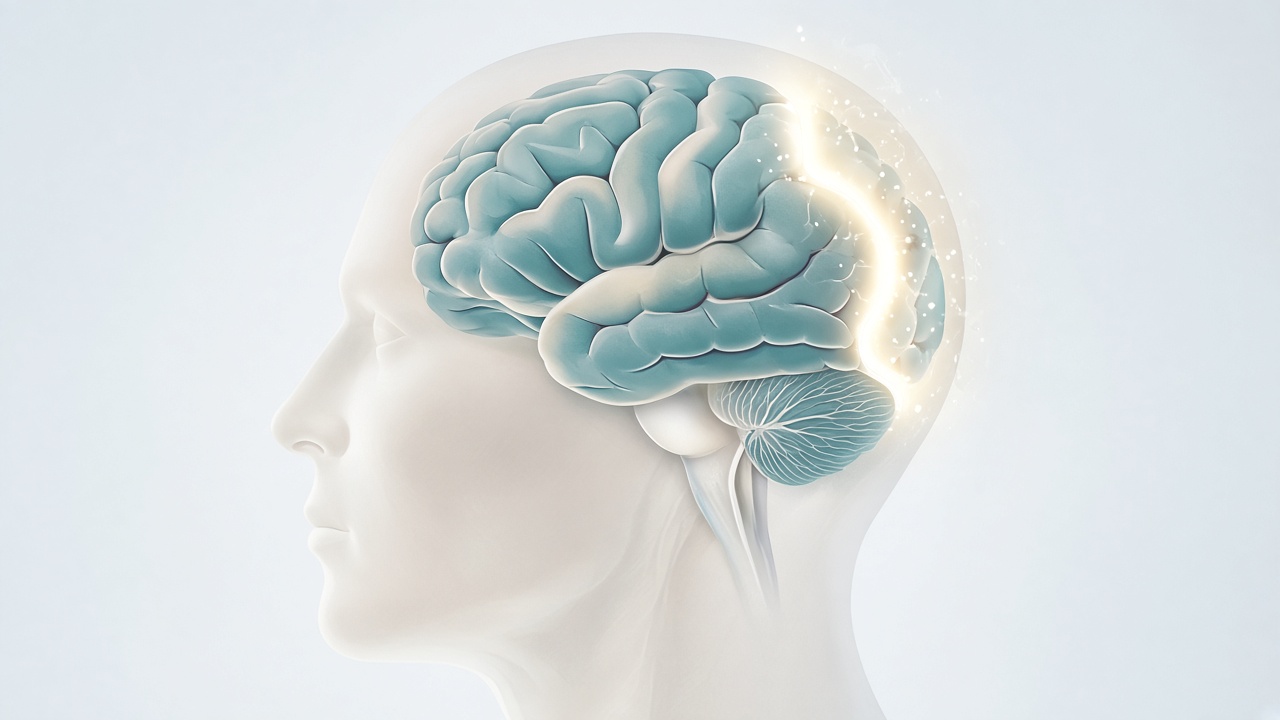
Attack pattern
An untreated attack usually lasts 4 to 72 hours. Pain is often unilateral and pulsating, moderate to severe, and aggravated by routine physical activity. Nausea, vomiting, or photophobia and phonophobia complete the picture. In children attacks may be shorter and pain bilateral.
Aura
Aura is a transient, fully reversible neurological symptom. The usual form is visual, such as a spreading scintillation. Each symptom typically lasts under 60 minutes. Prolonged aura, a fixed deficit, or a sudden severe onset should raise vascular and structural causes rather than be labelled automatically as complicated migraine.
Treatment decisions
Acute treatment works better when taken early, at an effective dose, and not every day. Prevention is considered when attacks disrupt life, headache days are high, or painkiller use is climbing. Drug choice depends on comorbidity, pregnancy, and current medicines. Doses are intentionally not listed here.
These pages are written for health professionals. They do not replace a history, examination, or clinical judgment. Treatment is decided for each patient individually.