
What should not wait in clinic
Thunderclap onset, a neurological sign, fever with falling consciousness, or pregnancy with a new headache and hypertension belong in emergency care. A scan in the first hour does not always exclude haemorrhage. That decision sits with the emergency clinician and the local protocol. This page does not replace it.
Slower clues
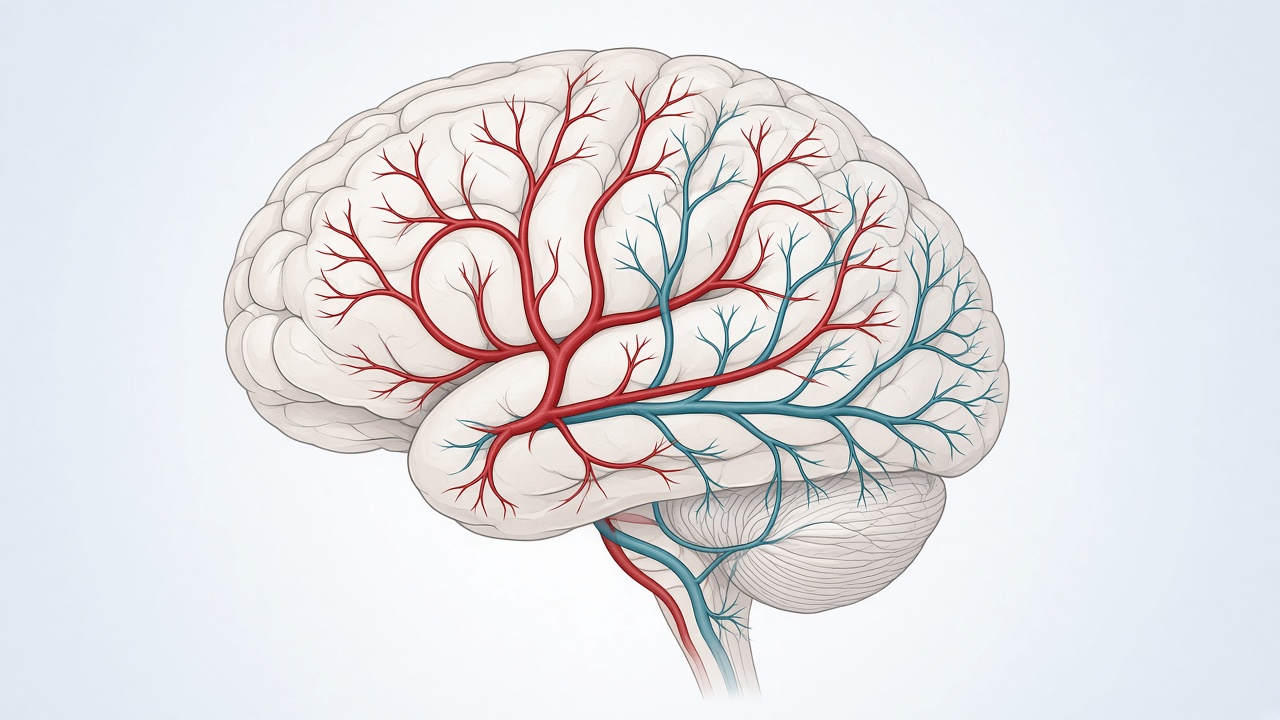
Venous thrombosis may bring a progressive headache, blurred vision, and papilloedema, especially around childbirth, dehydration, or a clotting tendency. Giant cell arteritis is an eye emergency: ESR or CRP and the start of treatment, before sight is lost, are decisions for the responsible clinician.
These pages are written for health professionals. They do not replace a history, examination, or clinical judgment. Treatment is decided for each patient individually.