
Educational Activities
Educational Papers
17 papers
The Primary Headache
Migraine, tension-type headache, trigeminal autonomic cephalalgias, and other primary headache disorders
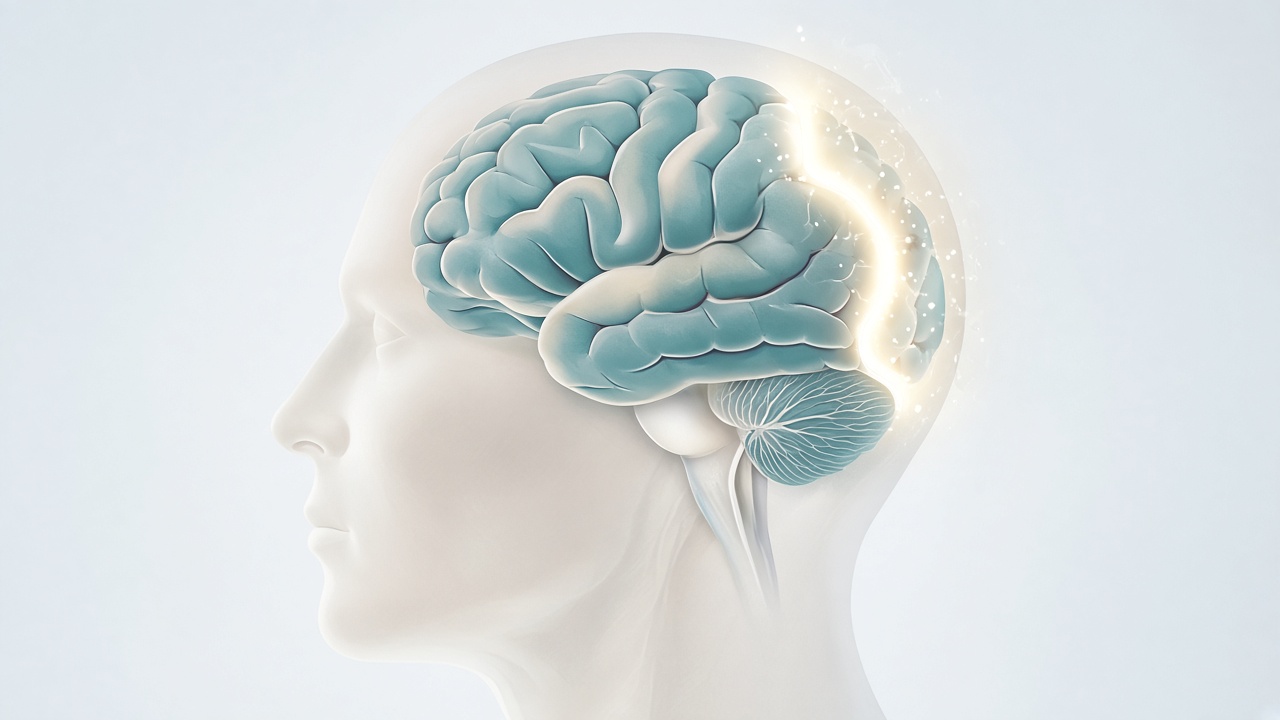 ICHD-3 · 1Migraine
Migraine is a recurrent neurological disorder, not a sinus problem or a low pain threshold. The diagnosis is clinical: attack pattern, associated symptoms, and the absence of a dangerous cause.
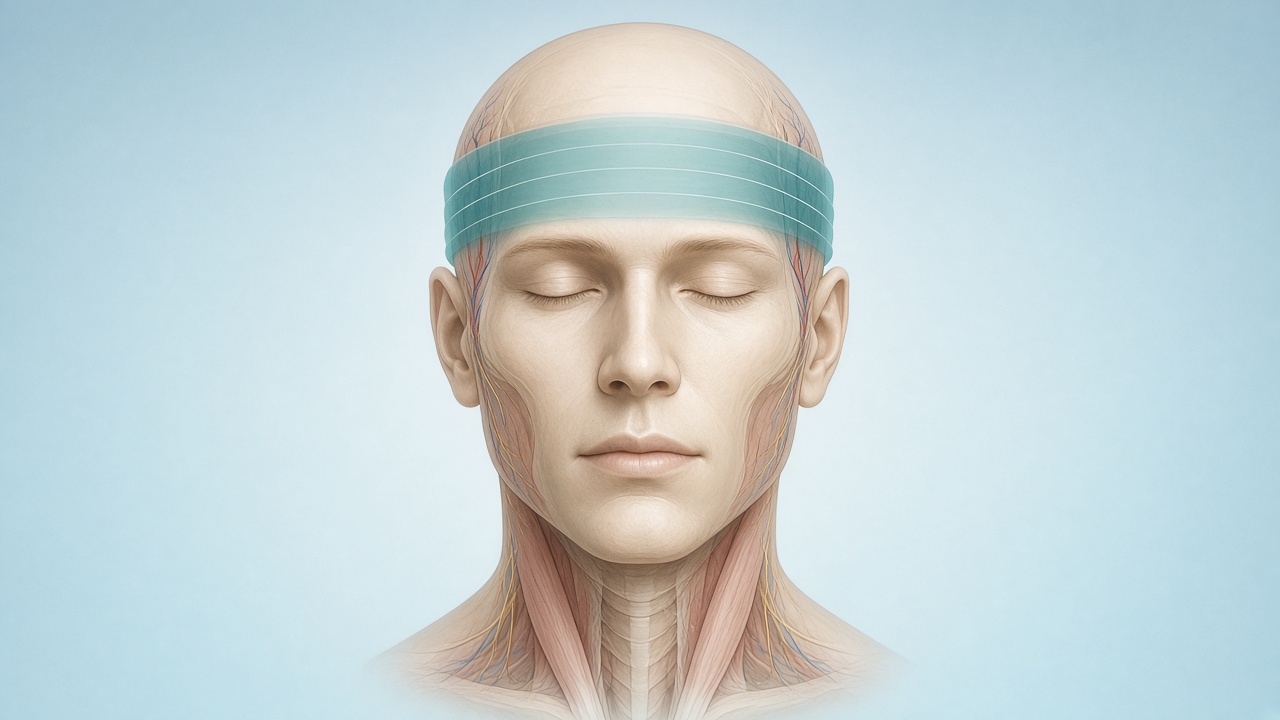 ICHD-3 · 2Tension-type headache
The most common primary headache: bilateral pressure or tightness, mild to moderate, without clear worsening on routine activity. Because the diagnosis leans on not being migraine, a careful history matters more than a quick label.
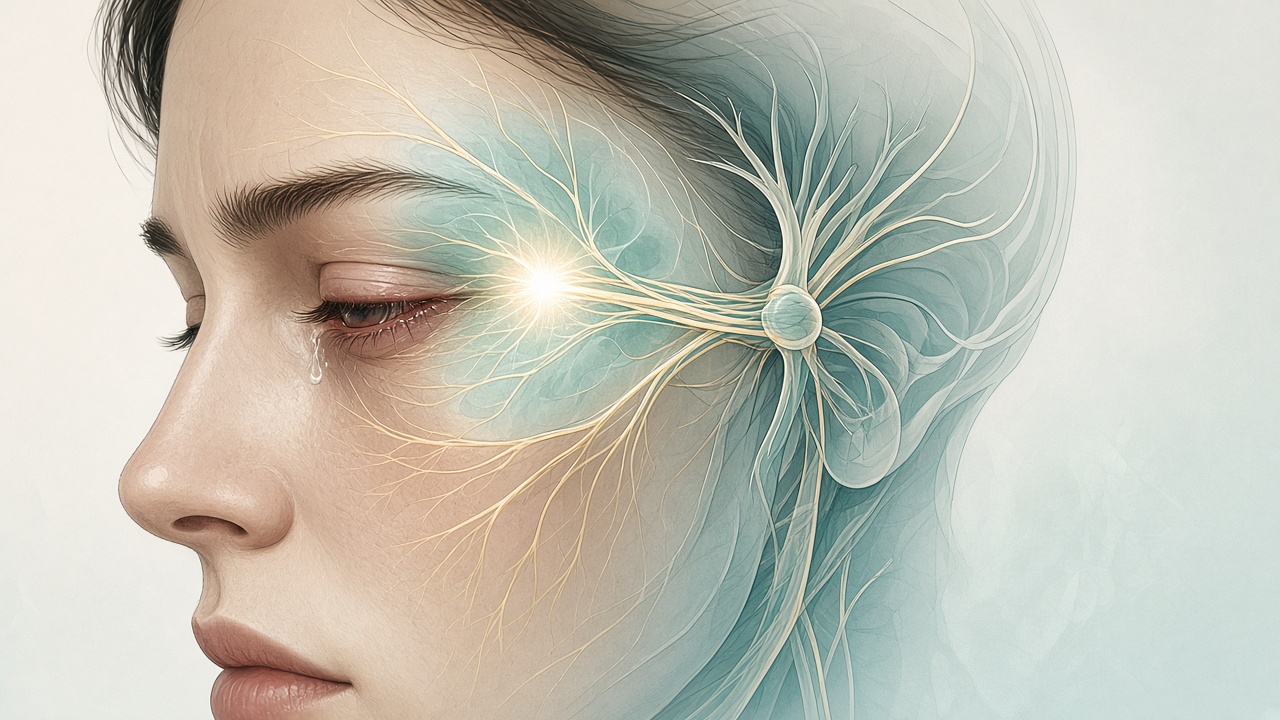 ICHD-3 · 3Trigeminal autonomic cephalalgias
A family of severe unilateral headaches with same-sided autonomic signs: tearing, red eye, nasal congestion, a drooping lid, or restlessness. Cluster headache is the best known, and it is often miscalled sinusitis for years.
 ICHD-3 · 4Other primary headache disorders
A mixed group: cough, exercise, and sexual headache, primary thunderclap, ice-pick, external-pressure, hypnic, and new daily persistent headache. What they share is that many earn the word primary only after a dangerous cause is excluded.
The Secondary Headaches
Trauma, vascular disorder, infection, COVID-19, brain tumour, cerebrospinal fluid, and homoeostasis
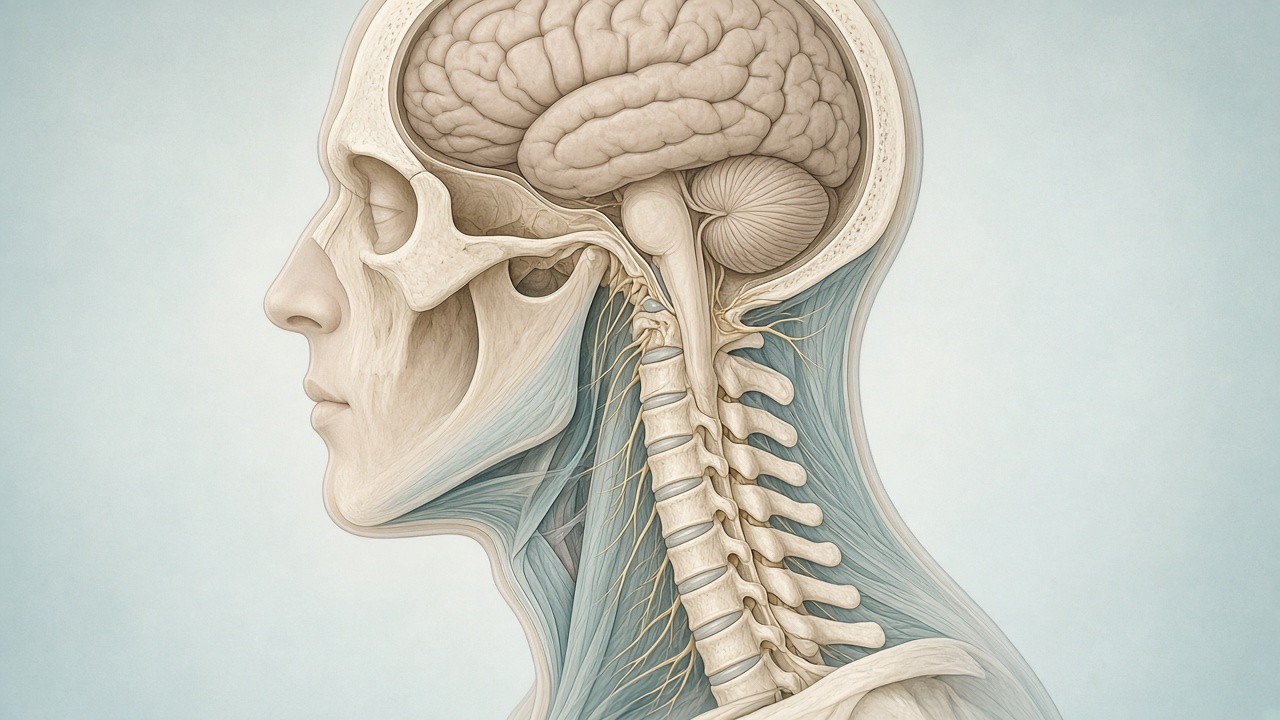 ICHD-3 · 5Trauma or injury to the head and neck
Headache after head or neck injury, whiplash, or surgery. It can persist after an apparently mild injury. The force of the trauma does not always match the severity of the pain.
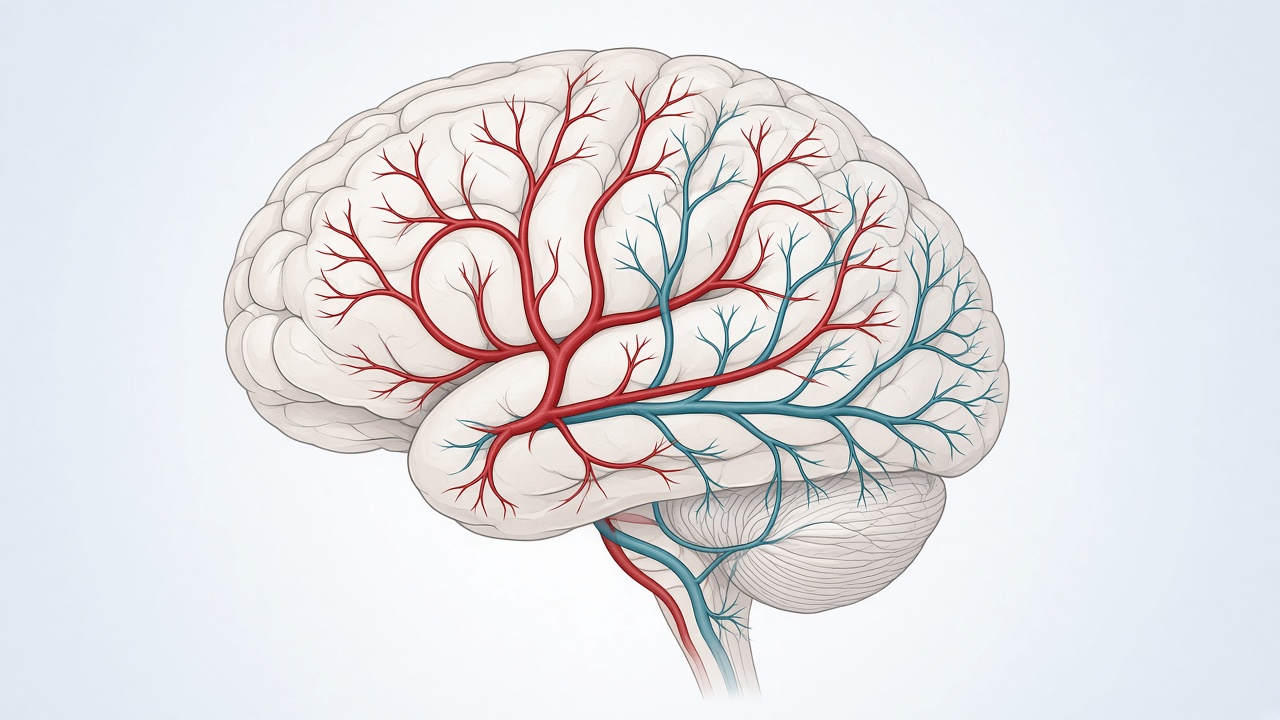 ICHD-3 · 6Cranial or cervical vascular disorders
Headache can be the symptom of subarachnoid haemorrhage, stroke, cerebral venous thrombosis, cervical artery dissection, giant cell arteritis, or a hypertensive crisis. Here the headache is a signal, not a free-standing disease.
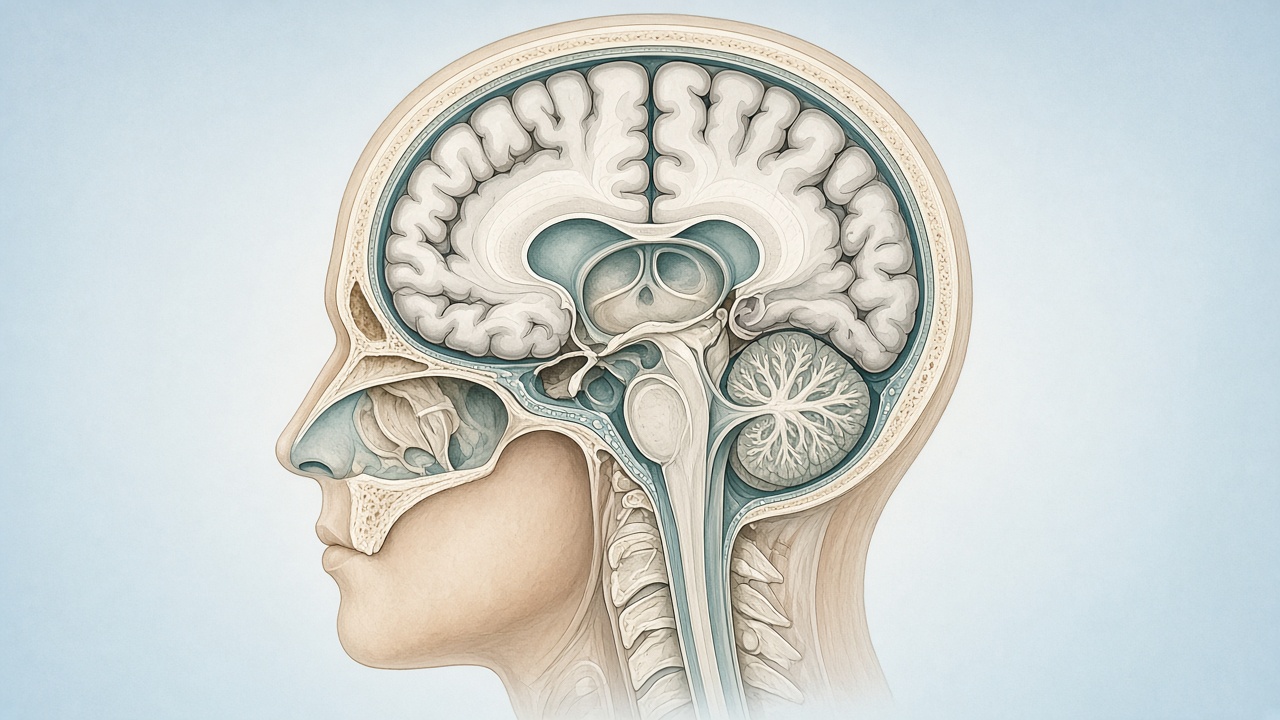 ICHD-3 · 7Non-vascular intracranial disorders
Intracranial pressure, tumour, cyst, and cerebrospinal fluid disorders live here. Do not dismiss morning headache, projectile vomiting, or pain worse lying down or with cough. Those features are not specific for tumour either.
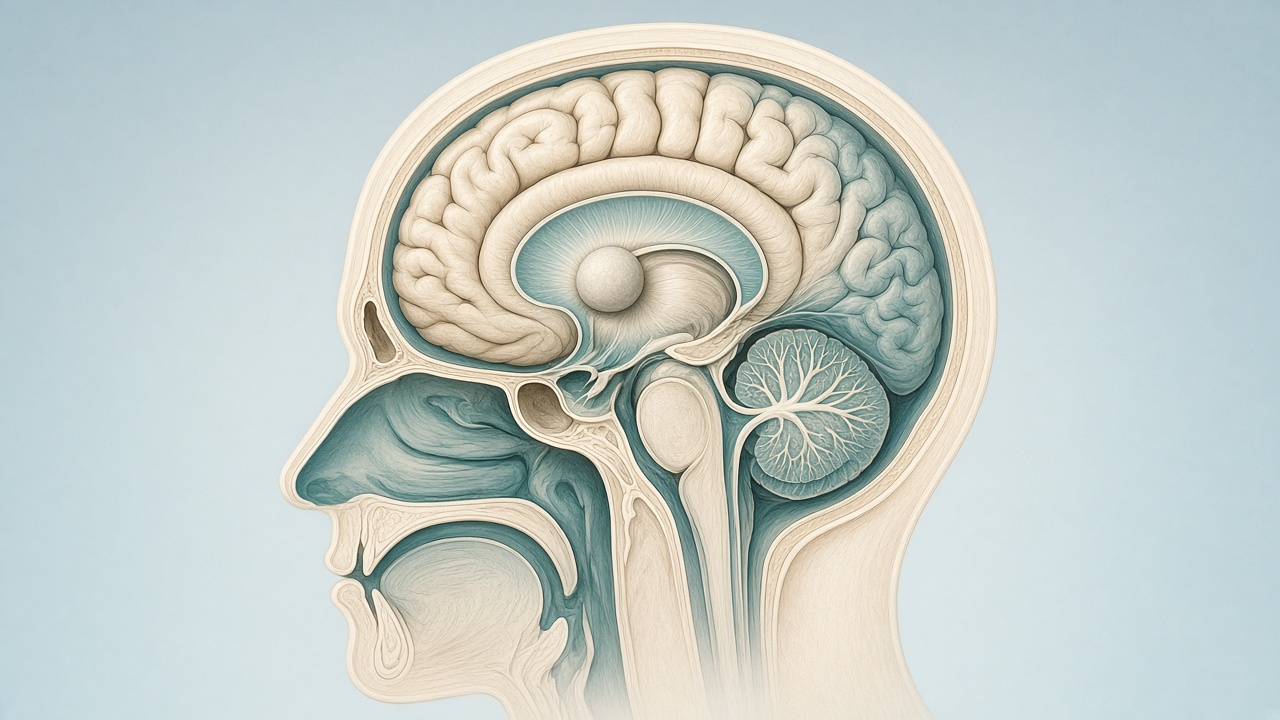 ICHD-3 · 7.4Brain tumour
Headache from a tumour usually comes from pressure change or traction on pain-sensitive structures. The classic morning headache with vomiting is uncommon and late. Progression, neurological signs, and context matter more.
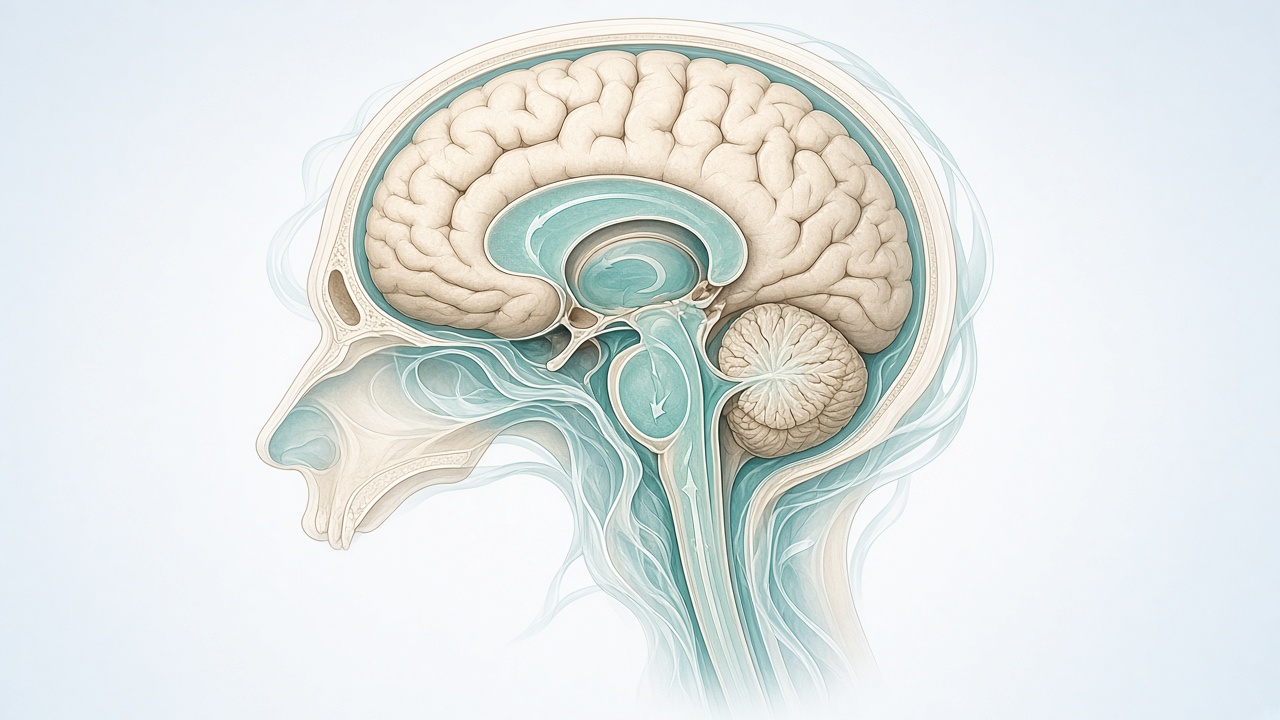 ICHD-3 · 7.1–7.2CSF pressure disorders
Low CSF pressure usually gives an orthostatic headache: worse upright, better lying down. High pressure may bring transient visual blurring, tinnitus, and papilloedema. Both are treatable and both are easy to miss.
 ICHD-3 · 8A substance or its withdrawal
Drugs, alcohol, nitrates, and caffeine can cause headache, and so can stopping them suddenly. The everyday clinic pattern is headache from overuse of acute medicine.
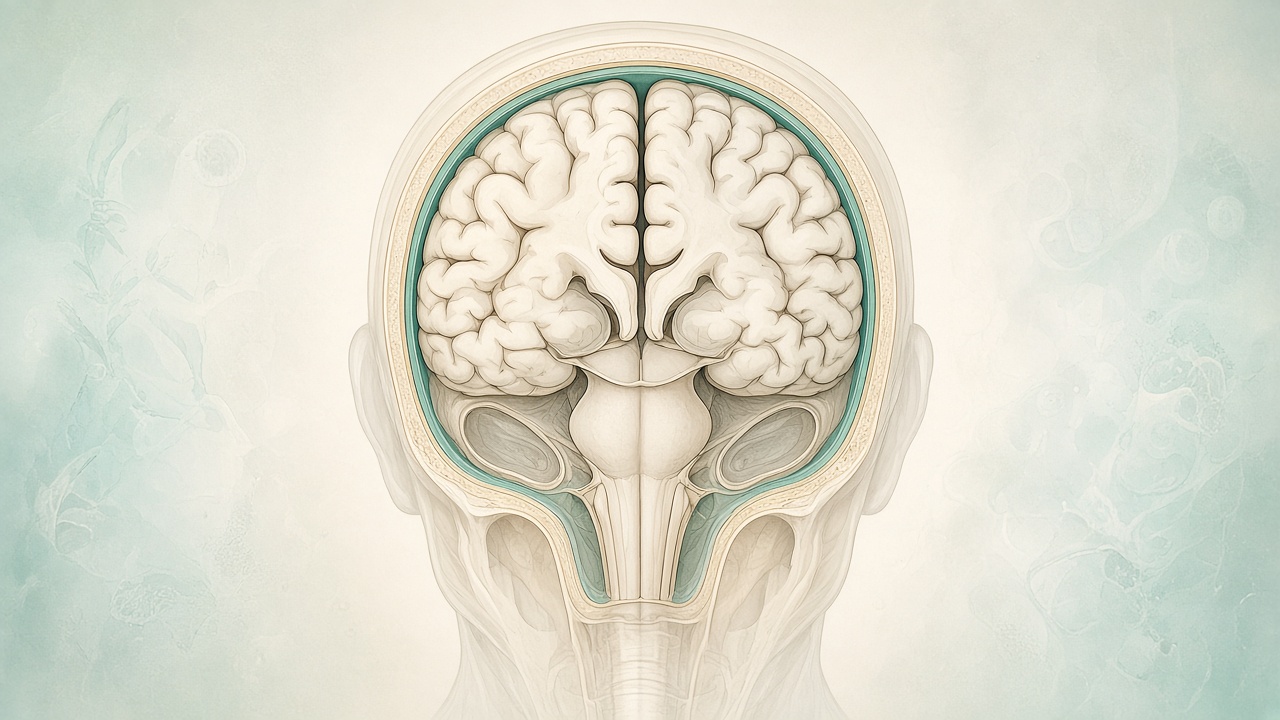 ICHD-3 · 9Infection
From influenza to meningitis and abscess. Headache with fever is common and often benign, but fever with neck stiffness, a rash, falling consciousness, or a focal sign is an emergency path.
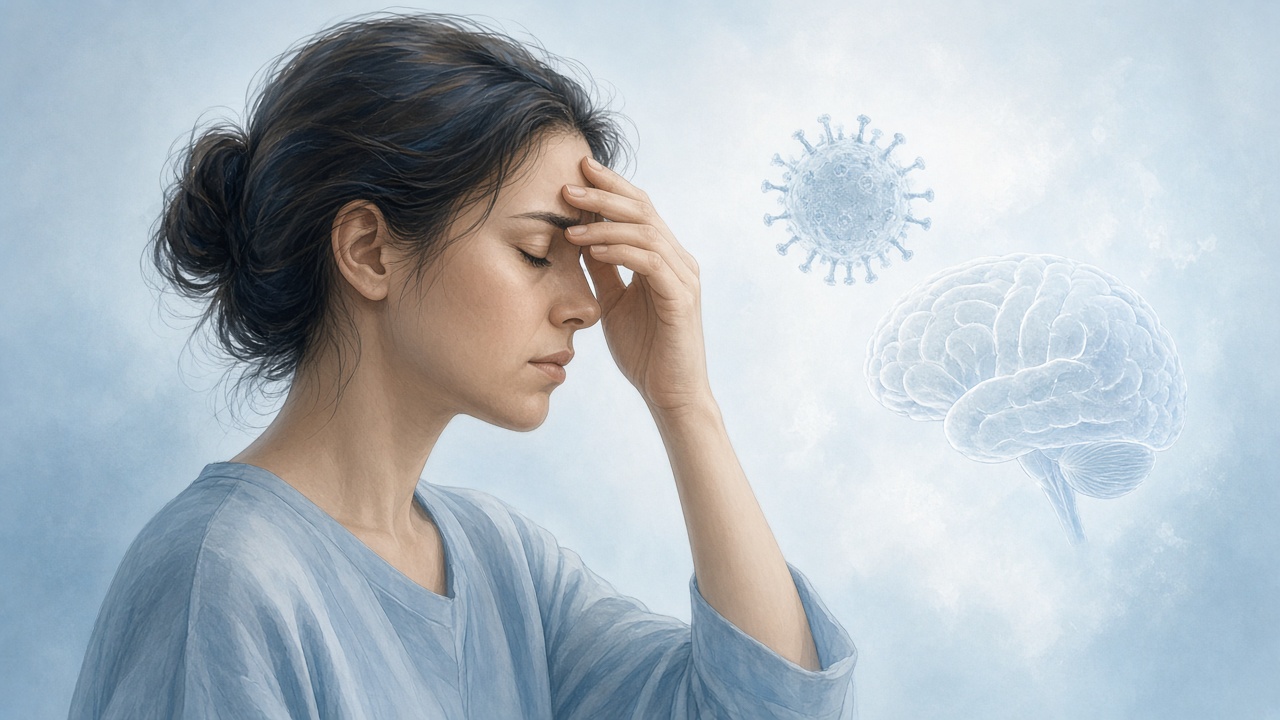 ICHD-3 · 9Headache and COVID-19
Headache is reported both in acute COVID-19 and in the weeks after. There is no fixed pattern that replaces a history. Red flags still stand, and COVID does not cancel them.
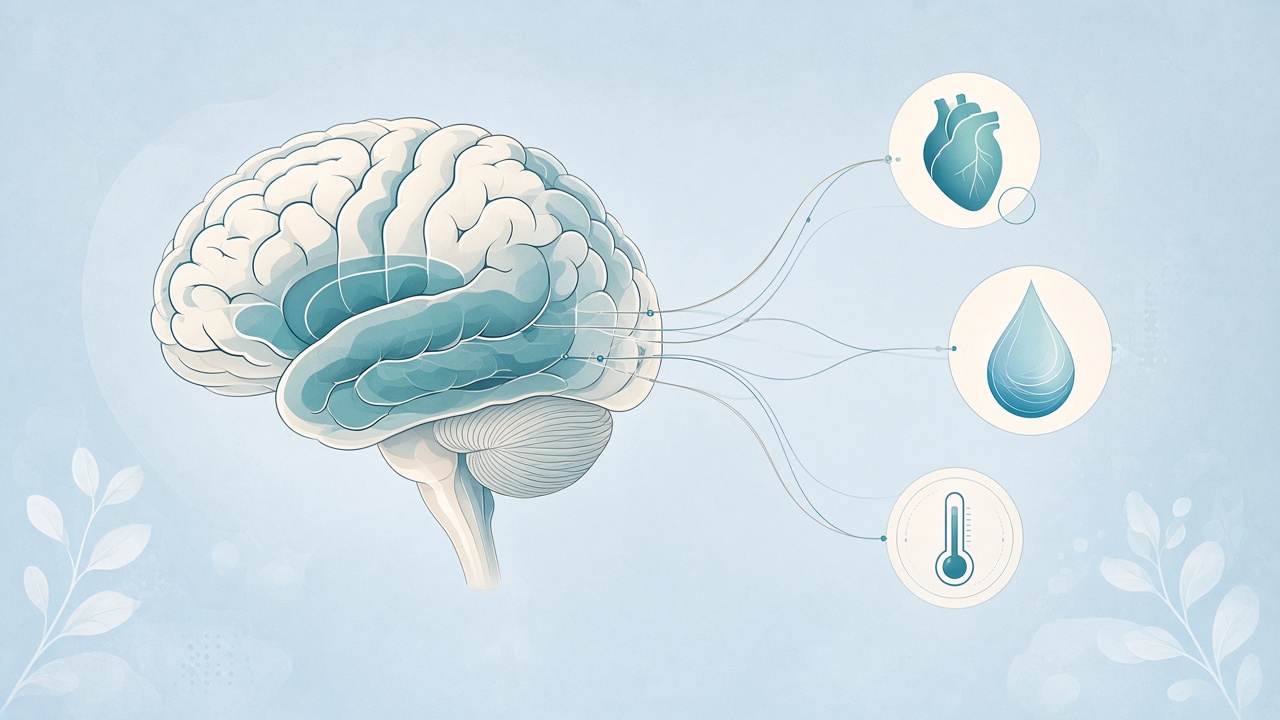 ICHD-3 · 10Disorder of homoeostasis
Sleep, altitude, hunger, dialysis, severe hypertension, hypothyroidism, and hypoxia. Headache here usually arrives with the underlying disturbance and improves when it is corrected. Ordinary chronic hypertension, on its own, does not explain everyday headache.
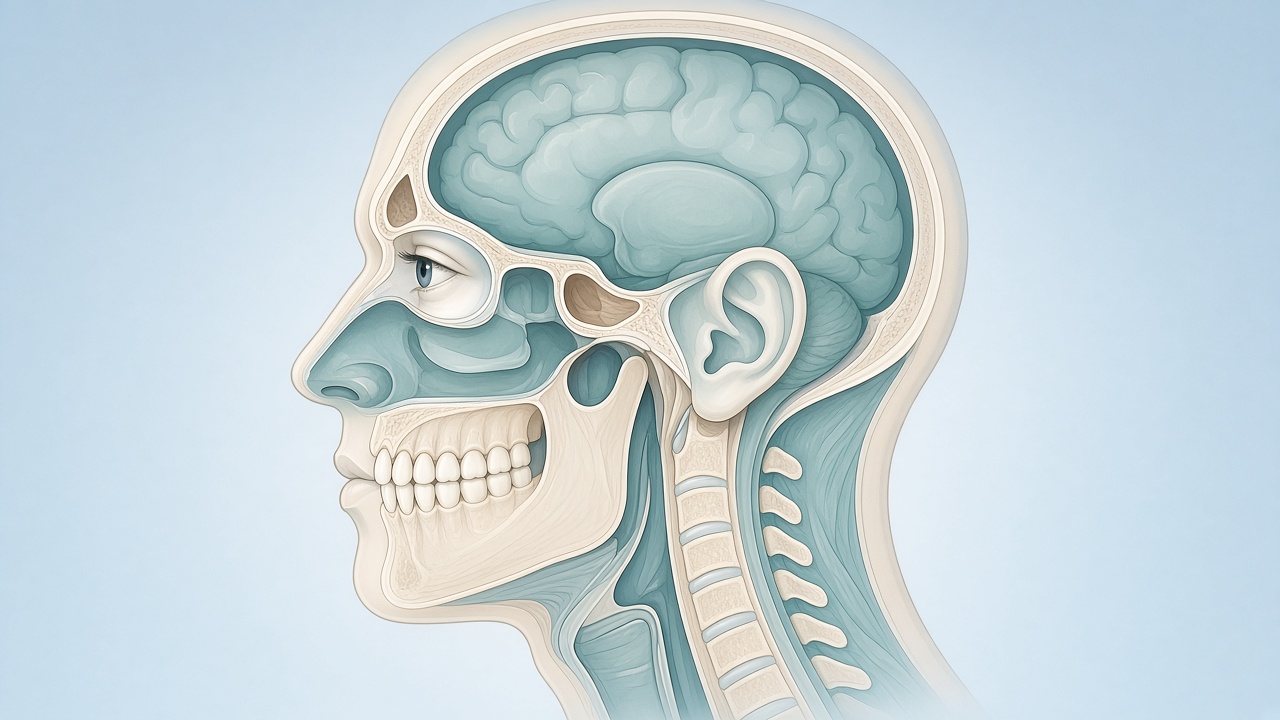 ICHD-3 · 11Cranium, neck, eyes, ears, nose, sinuses, and teeth
A structure in the head or neck can refer pain, but the diagnosis is used too often. Migraine and cluster headache are both repeatedly called sinusitis because they cause facial pain and nasal congestion.
 ICHD-3 · 12Psychiatric disorder
The international classification rarely attributes headache directly to a psychiatric disorder. Depression and anxiety very often travel with migraine, but travelling together does not mean one caused the other. Calling it “just nerves” is wrong, and it delays treatment.
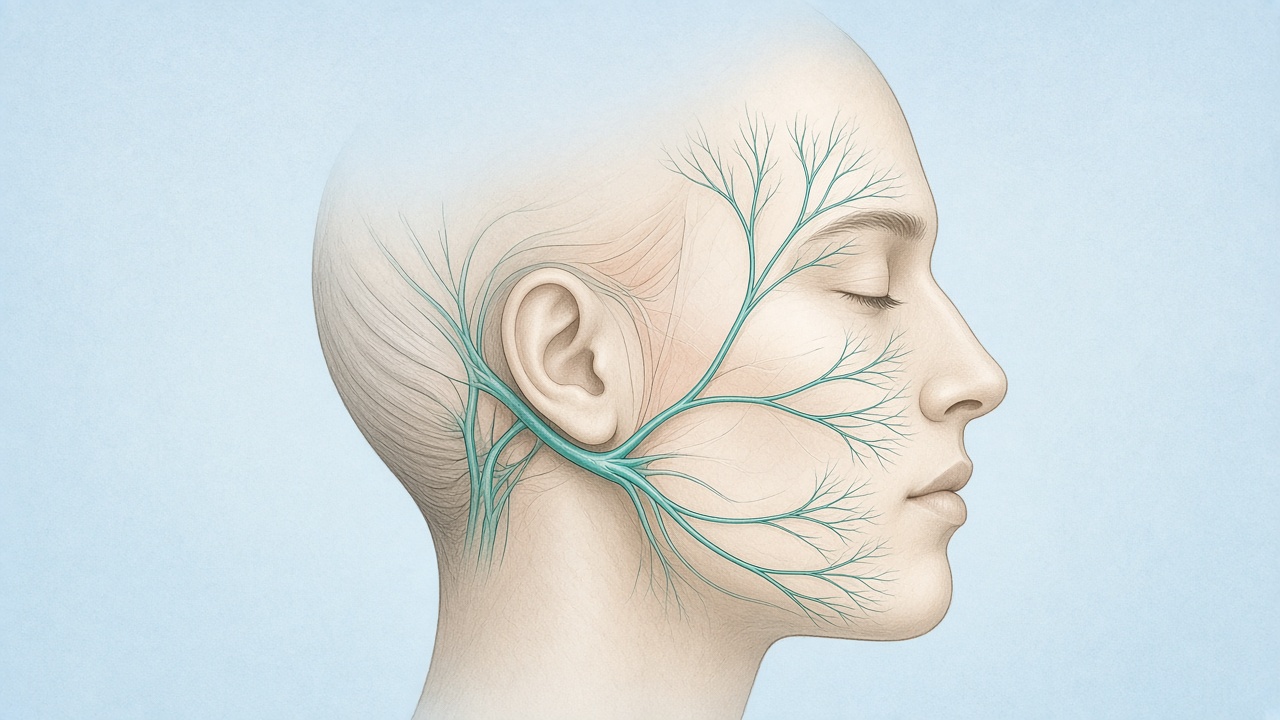
Cranial Neuropathies
Facial pain and painful lesions of the cranial nerves
General Headache
Diagnosis and treatment of headache disorders
These pages are written for health professionals. They do not replace a history, examination, or clinical judgment. Treatment is decided for each patient individually.